
Denver has seen a roughly 20 percent spike in opioid overdoses so far this year, according to data from the Colorado Department of Public Health and Environment. Officials say the increase is driven largely by a rise in deaths involving the powerful opiate fentanyl, which is now involved in a majority of opioid overdose fatalities in Colorado.
Health department sources point out that while total overdose deaths in Denver remain high, the proportion linked to synthetic opioids has grown steeply. Among contributing factors to the Denver fentanyl surge are an influx of counterfeit pills laced with fentanyl and the drug appearing in other drugs unbeknownst to users.
The added danger presented by illicit drugs adulterated with fentanyl had driven a corresponding increase in demand for opioid addiction treatment in Colorado.
What is Driving the Denver Opioid Overdose Spike?
One of the most important factors in why overdose deaths have spiked in Denver is the relatively new prevalence of the drug fentanyl. Fentanyl is an extremely powerful opiate originally used in hospitals and medical settings to treat severe pain.
However, In the last decade its use has grown as a street drug due to its potency, ease of production, and profitability for traffickers. In many cases traffickers use fentanyl to make fake pain pills like Vicodin or Oxycodone. Fake pills are particularly dangerous because fentanyl is notoriously difficult to dose due to its potency.
In 2023, over 2.6 million fentanyl pills were seized by federal authorities in Colorado, a record high. Overdose deaths due to fentanyl have been increasing as well, now well over 1,000 per year across the state.
The Grim Danger of Fentanyl
The amount of fentanyl needed to be lethal to someone with no tolerance is only a few micrograms, equivalent to a couple of grains of salt. Fentanyl is also often mixed with other drugs, wittingly or unwittingly, to increase their potency. It has been found in Molly/MDMD, cocaine, and methamphetamine.
When someone takes the drug unexpectedly, it can often lead to overdose. People may take what they think is a party drug, or a drug they’ve used before, only to suffer an opioid overdose because fentanyl had been mixed in. This makes public health responses more complex, as traditional messaging about opioid risk doesn’t always reach people who don’t consider themselves opioid users.
Denver Overdose Prevention
Because even people who don’t think they’re taking opioids can unknowingly ingest fentanyl, harm reduction is critical to overdose prevention. If you are often around those using drugs or you use drugs yourself you should consider carrying Narcan, and its carry and use should be encouraged amongst law enforcement, first responders, and others in public-facing positions.
Learn to recognize the symptoms of an opioid overdose:
- Slow and shallow breathing
- Cold blue skin and fingernails
- Gurgling or choking sounds
- A limp body
- Pinpoint pupils
- Non-responsiveness
- Vomiting
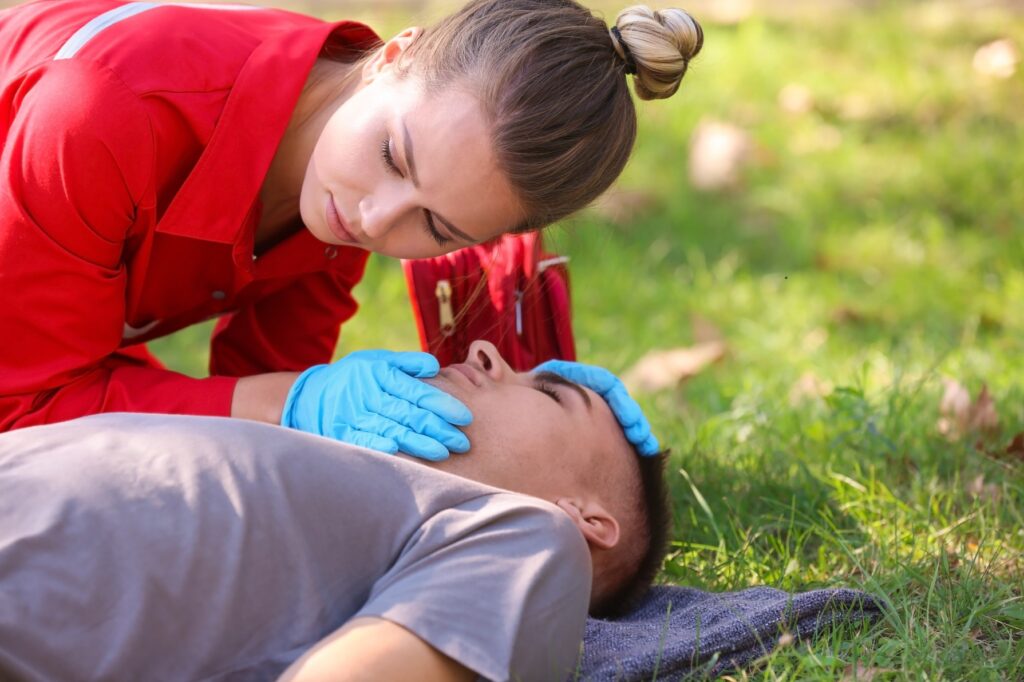
Fentanyl overdose can happen quickly and without warning. It is life threatening. If anyone you know is experiencing these symptoms and may be using drugs, call 911 immediately and administer Narcan if available. Acting quickly can save a life.
Challenging the Stigma: Fentanyl Addiction Treatment in Colorado
The best overdose prevention is to stop using drugs for good. The best way to stop using drugs for good is to get professional drug treatment.
Addiction is a disease. Full stop. It is a disease like diabetes or cancer. It is not a moral failing or a kind of weakness. It is, however, a disease of the brain. During addiction complex changes happen in brain circuits for reward, motivation, impulse control, and stress response. It is a medical condition that requires support, understanding, and ultimately, professional treatment.
Fentanyl detox is often only the first step of the process to becoming sober. At Recover Colorado we arrange supervised medical detox, for fentanyl and other opiates with our trusted partner facility.
Next comes an arguably more difficult stage: treatment. During the treatment phase the patient typically undergoes behavior and psychological therapies then help to reveal underlying issues that contributed to addiction, and learns coping mechanisms to live a sober life.
After active treatment, recovery is supported through counseling, peer support, sober living and more. Relapse risk is real, especially when mental health needs are unaddressed or when individuals return to environments that are triggering, and constant vigilance must be maintained.
Opioid Treatment in Colorado for You, Or The One You Love
Denver’s opioid-death spike should be a wakeup call. If you or someone you love is addicted to opiates, needs treatment for fentanyl dependence, or is struggling with any other addictive disorder, Recover Colorado can help. Our robust and compassionate treatment plans can help just about anyone step into a new sober life free from the risk of overdose.
Don’t wait until tragedy strikes.
Call us today at (888) 695-5407 and we can discuss treatment options or answer any questions you may have.
Sources:
Fentanyl. National Institute on Drug Abuse.
Overdose Prevention. Colorado Department of Public Health & Environment.